
The Ontario government has taken a number of steps to encourage the use of electric vehicles. In fact, there are a plenty of benefits for EV owners that you can take advantage of such as Zero-emission vehicles incentives, free access to the HOV lane, reduced insurance rates, lower charge electricity rates, and rebates on your provincial taxes.
However, despite all these incentives, owning an electric vehicle still comes with some challenges—especially when it comes to charging up your car on the go! There are ways around this though. This article will cover everything you need to know if you’re considering making the switch to greener travel in Ontario!
Buying a new EV
The price of an EV depends on what type you want, as well as its size. In Ontario, the average new car eligible for EV incentives costs around $50,000. Of course, that’s just a ballpark figure and the price can vary depending on factors like make and model, features, size and options.
If you’re looking to buy a used EV in Ontario, be sure to bring it for an inspection at a qualified mechanic first to check the main system components like battery, drive train, steering, brakes, etc. Don’t forget to look at maintenance records before excitedly making your new purchase.
Charging your EV
There are two ways to charge an electric vehicle:
-
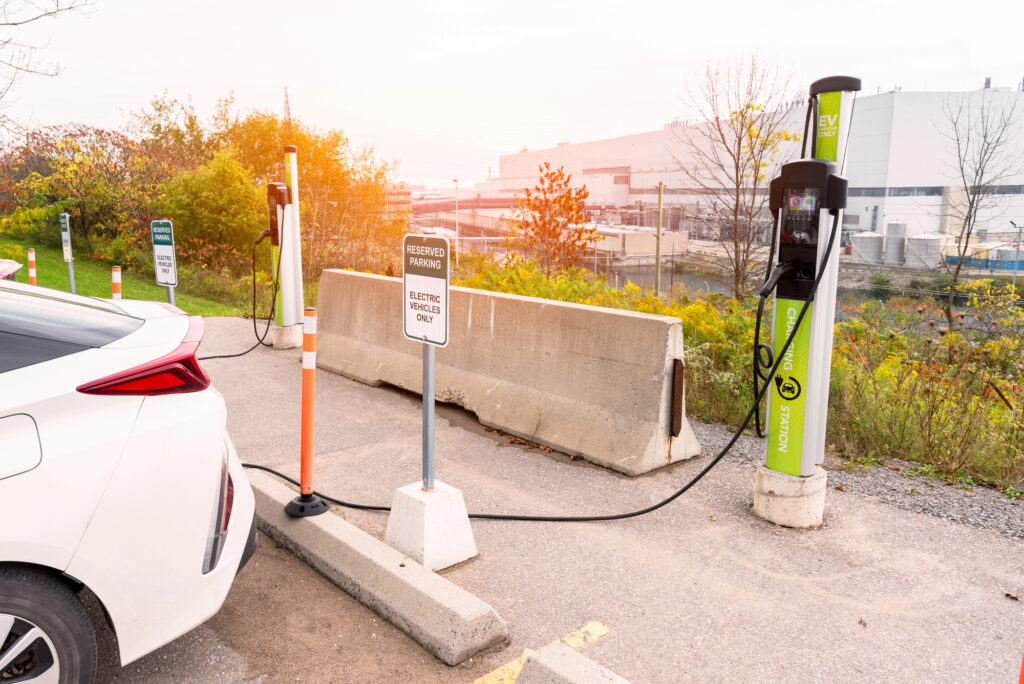
Charging at home. Install a Level 2 charger and enjoy the lowest electricity rates in Ontario, convenience, and comfort of getting into a fully charged car every morning! This option would add about 35 km of charge per hour.
-
Public charging stations. You can charge your EV at the public charging station near you by using a membership card or paying with your credit card. Tesla Level 3 Superchargers are considered very fast (can add about 250 km of range per hour). There are more than 1,700 charging stations with over 5,000 charging ports in Ontario today.
Electric Vehicle Maintenance
Maintaining an EV is similar to maintaining a gas vehicle, but with a few important differences.
-
For optimal performance, driving range, and battery life try not to exceed the 90% level of charge. Always follow manufacturer’s recommendations for long trip planning, optimal charging, pre-conditioning and care.
-
Check tire pressure regularly. This can be difficult on some EVs since they don’t have a spare tire like traditional cars do, but it’s important that you keep your tires properly inflated for safety reasons as well as for proper handling and traction on the road. Ensure that all four tires are properly inflated by using a tire pressure gauge (which you can buy online or at any auto parts store). It’s also recommended that you rotate them every 5-10K miles (depending on usage patterns) because this helps ensure even wear between all four wheels over time—especially if you drive primarily around town instead of long distance trips where they’re not being heavily used every day.
Can I drive my EV through the winter?
Expect your kWhr/km consumption increase by 30-40% in winter. This is due to additional power required for battery pre-conditioning, interior heating, defrosting, ice and snow resistance, etc.
Investing in winter tires is never a bad idea. They are designed to provide a better grip onto the wet pavement and snow/ice covered roads, and keep you safe!
What are the Green licence plate benefits?
The green licence plate program is available to all EVs, with no exceptions.
Hybrid vehicles are also eligible for the green licence plates, but only if they’re considered Plug-in (PHEVs) and meet a minimum battery capacity requirements.
Green licence plates mean you can use HOV lanes, park in the “green” or electric vehicle parking spaces in metered or timed zones without paying.
Is there government support for purchasing an EV?
Ontario currently does not offer any provincial EV rebates or incentives, however, you may still benefit from the Federal programs encouraging people to purchase electric vehicles (EVs) as a means of reducing their carbon footprint:
- EVAP Program offers $5,000 to individuals and businesses purchasing or leasing affordable electric vehicles (EVs) with a final value of $50,000 or less. There is no final transaction value limit on EVs made in Canada. Most personal vehicles, like cars, SUVs, and light pick-up trucks would fall into this category.
- iMHZEV Program for medium-and heavy-duty vehicles. This program is tailored to businesses and organizations purchasing or leasing larger vehicles like trucks, cargo vans, shuttles, etc. and offers up to $200,000.
How many EV charging stations are there in Toronto?
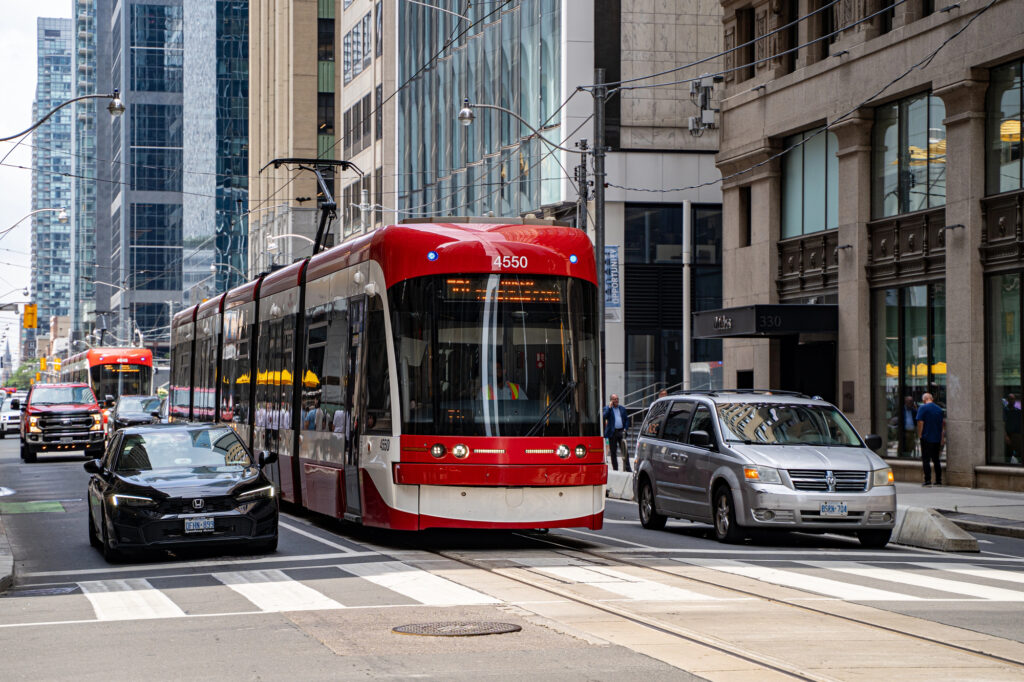
The city of Toronto in Ontario, has 2645 public charging station ports (Level 2 and Level 3) within 15km radius. 96% of the ports are level 2 charging ports and 35% of the ports offer free charges for your electric car .
Some of the charging stations are free for public use, making them a convenient option if you’re travelling with friends who own EVs or if someone else is picking up the tab for gas (and doesn’t mind waiting around while they charge). They’re located in parking garages and lots across Ontario—including malls, restaurants and hotels—so finding one shouldn’t be difficult once you’ve downloaded an app onto your phone.
Can I charge my EV with solar panels?
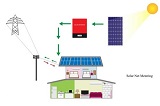
Solar panels are a great way to reduce your carbon footprint and save money, but they can be used in other ways as well. You may have heard that solar panels can be used to power an electric vehicle (EV) or plug-in hybrid vehicle. This means you’ll be able to charge your EV at home, rather than needing to rely solely on the public charging network.
With all of this information, you’ll be able to make a smart decision about whether or not an electric vehicle is right for you. We hope that this guide has helped clear up some of the confusion around EVs and their benefits, including how they stack up against traditional vehicles when it comes to value and sustainability. If you have any questions about which EV might work best for your lifestyle, please reach out and contact us.